Smart Ways to Reduce Start-Up Costs Without Cutting Corners

Launching a business is one of the most exhilarating—and expensive—decisions an entrepreneur can make. The challenge is clear: how can you minimize start-up costs without cutting corners that compromise long-term quality, customer trust, or scalability?

This guide explores tested strategies for achieving lean yet resilient growth—pairing cost efficiency with quality assurance. It blends financial discipline with systems thinking, helping founders build something that lasts.


Start on the Cheap, But Think Long-Term

One of the first lessons in sustainable entrepreneurship is not confusing cheap with efficient. Reducing expenses early on should create strategic flexibility, not operational fragility.

Foundational Principles

  • Build systems, not shortcuts. Invest in scalable tools and workflows that reduce repetitive labor later.
     

  • Prioritize clarity over complexity. Simpler, well-documented processes are cheaper to manage and easier to delegate.
     

  • Automate selectively. Use low-cost tools like Zapier or Notion to streamline routine work—but avoid over-automation that reduces human oversight.
     

  • Outsource intelligently. Platforms such as Upwork can help you find fractional specialists without committing to full-time hires.


Establish a Legal and Financial Foundation Without Overspending

Many new founders delay formal business registration to avoid upfront costs—an understandable but risky choice. Instead, use free or low-cost digital formation tools that help you launch quickly and compliantly.

For example, you can get a free LLC using services that eliminate the typical filing burden. This ensures your venture starts on the right side of legal and tax obligations, without burning through your seed budget.

Mini Checklist: Legal & Financial Setup

  • unchecked

    Register your entity (LLC, S-Corp, or sole proprietorship)

  • unchecked

    Open a business checking account

  • unchecked

    Obtain an EIN from the IRS

  • unchecked

    Separate business and personal expenses immediately

  • unchecked

    Use a free accounting tool such as Wave or Zoho Books for early bookkeeping


Operate in a Lean Framework

Building lean doesn’t mean building less—it means focusing resources where they deliver compound value.

Cost-Reduction Tactics That Preserve Quality

Area

Typical Cost Pitfall

Lean Alternative

Quality Preservation Tip

Product Development

Overbuilding features

Start with MVP validated by users

Conduct micro-surveys via Typeform

Marketing

Paid ads without ROI tracking

Leverage organic SEO and earned PR

Focus on case studies and testimonials

Software

Full SaaS stacks early on

Consolidate tools (e.g., use all-in-one platforms like ClickUp)

Audit subscriptions quarterly

HR

Early hires

Use fractional experts

Build process libraries before scaling

Operations

Office space

Remote-first + coworking passes

Maintain digital culture rituals


Design for Reuse and Resilience

Quality doesn’t have to be expensive if your systems and assets are reusable. Consider every investment in content, tooling, and process documentation as a potential knowledge asset.

  • Record your playbooks. Use free screen recorders or Loom to create SOPs from everyday workflows.
     

  • Develop modular content. Blog posts, customer emails, and social snippets can be repurposed across channels.
     

  • Build relationships over transactions. A loyal customer base reduces churn costs and referral acquisition is almost free.


Track and Optimize Every Expense

Visibility creates control. A structured cost-tracking protocol prevents small inefficiencies from compounding into financial drag.

Budget Efficiency Checklist

  • Conduct monthly expense reviews
     

  • Categorize spend into Core (value-generating) and Peripheral (supporting)
     

  • Set “kill thresholds” for tools or subscriptions unused for 30 days
     

  • Use dashboards from Toggl Track or Clockify to monitor team efficiency
     

  • Negotiate all recurring costs annually (vendors often discount renewals)


Build an Ecosystem of Partnerships

Strategic partnerships can drastically reduce early costs while expanding your reach.

  • Co-marketing alliances. Partner with complementary brands for webinars or newsletters.
     

  • Shared resources. Split SaaS licenses or digital assets within compliance limits.
     

  • Affiliate programs. Turn customers and peers into distribution partners instead of hiring sales teams.
     

Pro tip: Platforms like PartnerStack can help you manage affiliate and reseller ecosystems without custom infrastructure.


Invest Where It Actually Matters

A lean business doesn’t starve—it prioritizes nourishment. Focus resources on what directly impacts user satisfaction and credibility.

High-ROI Quality Investments

  • Product UX/UI design (first impressions drive retention)
     

  • Customer support infrastructure (human contact builds trust)
     

  • Data analytics to identify efficiency gains
     

  • Security and privacy compliance (saves from expensive liabilities later)
     

Avoid “invisible bloat” — overly complex dashboards, vanity metrics, or expensive branding exercises before market validation.


Plan for Scalable Growth

Cost-cutting is only valuable if it sets the stage for sustainable expansion. Your operational systems should adapt smoothly as volume grows.

  • Adopt tools that scale (e.g., Airtable for growing databases).
     

  • Use modular team structures: freelancers → retainers → full-time.
     

  • Keep profit margins visible via rolling forecasts.
     

If your business model is subscription-based, track customer acquisition cost (CAC) versus lifetime value (LTV) monthly. This keeps your “growth at all costs” instincts in check.


FAQ: Reducing Start-Up Costs While Preserving Quality

Q1: What’s the biggest mistake founders make when trying to cut costs?
A1: They eliminate or delay brand development and process design, both of which compound inefficiencies later.

Q2: How do I decide when to spend vs. save?
A2: Spend on items that directly improve product credibility or operational leverage—save on anything not affecting customer perception or workflow speed.

Q3: Can I really build credibility with a small budget?
A3: Absolutely. Focus on transparency, community engagement, and clear value communication. Platforms like LinkedIn offer free distribution to large audiences.

Q4: How do I avoid “false economies”?
A4: A false economy is a cost-saving decision that increases long-term risk or labor. Always calculate time-to-failure and repair cost before cutting a resource.

Q5: What’s the best way to stay legally compliant on a budget?
A5: Use digital legal and accounting platforms, or leverage services to stay protected without high upfront costs.


Key Takeaways: Cost Reduction Without Quality Loss

Strategy

Primary Benefit

Implementation Tip

Lean Operations

Lower burn rate

Automate low-risk processes

Structured Playbooks

Reduced onboarding time

Record recurring workflows

Smart Partnerships

Access new markets

Seek complementary niches

Financial Discipline

Predictable runway

Use zero-based budgeting

Brand Integrity

Long-term trust

Maintain consistent messaging


Efficiency as a Competitive Advantage

Reducing start-up costs isn’t about austerity—it’s about precision. By investing in durable systems, structured workflows, and scalable partnerships, you create an operation that thrives under constraint.

Lean doesn’t mean less. It means leveraged—and when done right, your business will outlast those who bought speed instead of sustainability.


Discover the charm of Pike County and unlock new business opportunities by joining the Pike County Chamber of Commerce today!
Contact Information
phone: (844) 493-6249
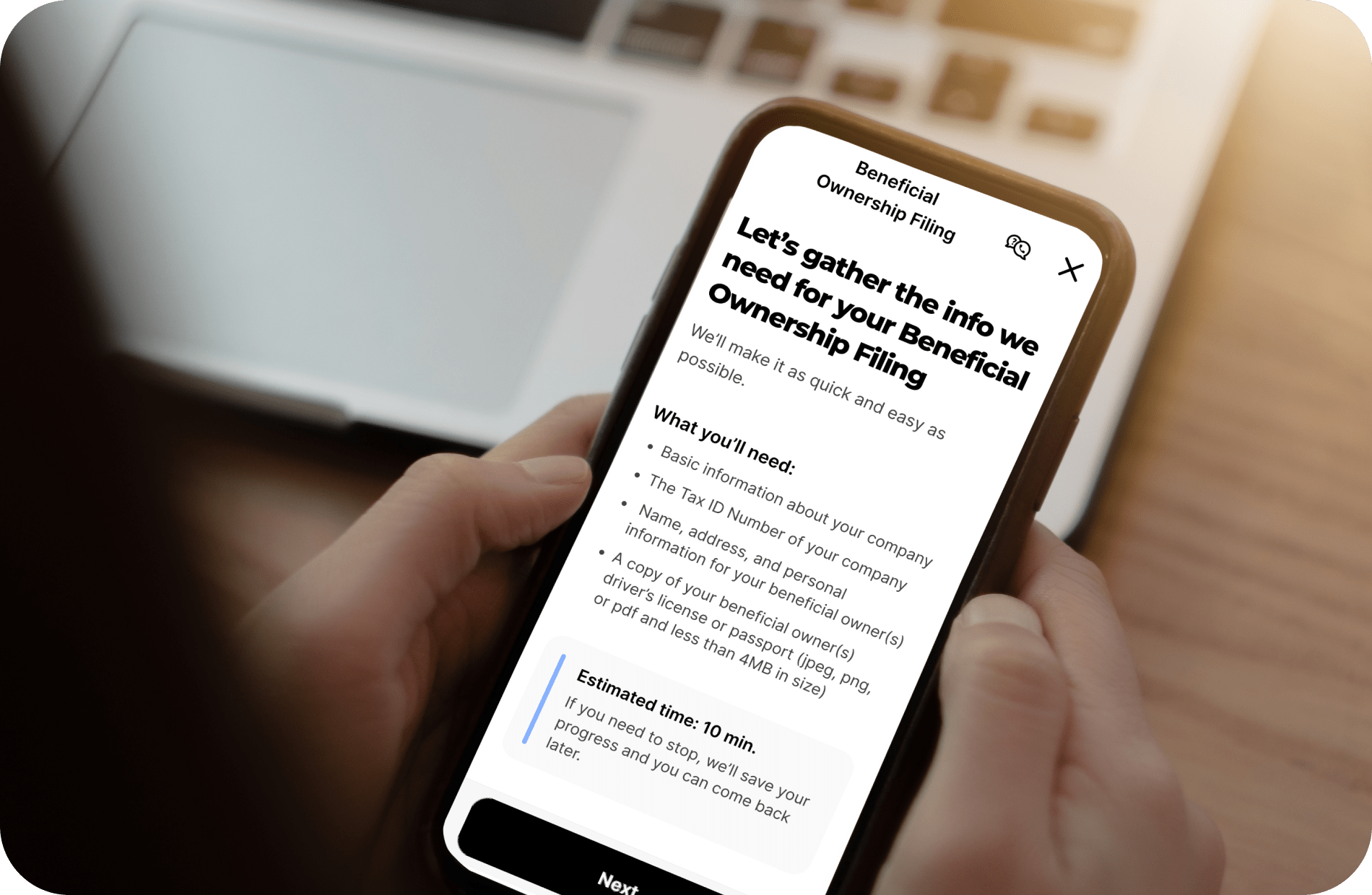
The CTA, BOI and FinCEN: What Does this Mean for Pike County, GA Businesses?


The Corporate Transparency Act may require certain U.S. companies to disclose beneficial ownership information to FinCEN to combat financial crimes.

While a Texas federal district court’s preliminary injunction puts this requirement on hold, many experts expect that to be overturned. In that event, failure to file could lead to fines of $500 per day, up to a maximum of $10,000, and possible criminal penalties.

Read more for details on how this may impact your business in the future.

1. Determine if Your Business Must File.

A “reporting company” is any business, corporation, or LLC that is registered with the state, unless exempt. Exemptions apply to publicly traded companies, banks, and charities. For example, a local restaurant in Pike County, GA would likely need to file a BOI report.

2. Identify Your Beneficial Owners.

A “beneficial owner” is someone who either has substantial control over a company or owns at least 25% of it. For example, in Pike County, if the owner of a local dry cleaners holds 40% of the business and is involved in major decision-making processes, they would be considered a beneficial owner.

3. Gather the Required Information.

Prepare:

  • Business name, address, and EIN.

  • Beneficial owners’ names, addresses, DOBs, and ID details.

4. File Your BOI Report.

Deadlines:

  • Existing businesses: File by 01/01/2025.

  • New companies (2024): File within 90 days of formation.

  • New companies (2025+): File within 30 days of formation.

ZenBusiness offers guidance and tools for BOI reporting in the state of Georgia, simplifying the process and ensuring compliance with FinCEN regulations.

Penalties for Non-Compliance:

While a Texas federal district court’s preliminary injunction puts this requirement on hold, many experts expect that to be overturned. In that event, failure to file could lead to fines of $500 per day, up to a maximum of $10,000, and possible criminal penalties. FinCEN provides a 90-day safe harbor period for corrections without penalties.

No action is needed immediately, but if you decide to move forward, you can avoid hassles by filing with the quick and accurate assistance of ZenBusiness.

Additional Resources:

We want to hear from you!

Join us in making an impact! Complete our BOI survey by December 18, 2024, and for every 25 responses, our Chamber will receive a $100 donation. Take the survey now! Your participation is greatly appreciated!

As of December 3, 2024, a Texas federal district court has issued a preliminary injunction for all states to block the CTA and its relevant regulations. However, filing your BOI will help you avoid fines if this injunction is overruled.

 
Contact Information
phone: (844) 493-6249
Charting a Winning Course for Business Success

Growing your business is an exhilarating endeavor that demands thoughtful planning and decisive action. At every stage, from inception to expansion, strategic approaches are vital to ensure your business not only survives but thrives. By focusing on key areas such as financial organization, brand identity, and market exploration, you can position your business for sustained success. Each strategy serves as a building block, contributing to a comprehensive framework that supports growth and innovation. Embrace these strategies to create a resilient business capable of adapting to changing market dynamics.

Establishing a Strong Brand Identity: Your Key to Standing Out

In the early stages, creating a strong brand identity is crucial for setting yourself apart from competitors. A well-defined brand identity leaves a lasting impression on customers, essential for long-term success. By understanding your target audience and aligning your brand values with their expectations, you can craft a unique and memorable presence. Develop a cohesive visual identity through logos, color schemes, and typography that resonates with your audience. Consistency across all customer interactions ensures your brand’s values are clearly communicated, fostering trust and loyalty.

Streamline Your Business with Organized Financial Records

Keeping your business and financial records organized is essential for smooth operations and compliance. By categorizing documents into sections like income, expenses, and taxes, you simplify tracking and reporting, saving time and reducing errors. Saving these documents as PDFs enhances accessibility across devices, ensuring you can view them anytime, anywhere. If you need to consolidate multiple documents, you can click here to use a PDF merging tool, creating a single, comprehensive file. This not only maintains order but also optimizes digital storage space.

Unlocking Growth by Tapping into Underserved Markets

To achieve significant growth, focus on identifying and capitalizing on underserved markets. These markets often hold untapped potential. By understanding the unique cultural preferences and challenges of these areas, you can tailor your offerings to resonate with local consumers. Leveraging local partnerships can enhance your market penetration and foster stronger community ties. Embracing these strategies opens new revenue streams and builds a loyal customer base by addressing specific demands.

Continuous Improvement for Incremental Innovation

Fostering a culture of continuous improvement is key to excelling in today’s fast-paced environment. This approach emphasizes making small, consistent enhancements to processes, leading to significant improvements in efficiency and quality. By integrating people, processes, technology, and strategy, your organization remains adaptable and resilient. The benefits, such as increased operational excellence and employee engagement, often translate into a substantial return on investment.

Value-Based Selling for Competitive Advantage

In a saturated market, employing value-based selling is crucial for distinguishing your offerings. By understanding the unique needs of your clients, you can highlight how your product or service alleviates specific challenges. This approach enhances customer satisfaction and fosters loyalty, as clients are more likely to return and recommend your business. By concentrating on prospects that align with your product’s strengths, sales teams can achieve shorter sales cycles and higher conversion rates, boosting efficiency.

Invest in Technology for New Revenue Streams

Investing in technology and innovation is crucial for developing unique solutions that unlock new revenue channels. By focusing on creating digital products like eBooks, software plugins, and virtual assets, you can tap into emerging markets and meet the growing demand for personalized experiences. Staying ahead of trends in artificial intelligence and blockchain provides a competitive edge. Embracing such technologies can significantly boost your potential for new business revenue in the coming years.

Sustainable Technology for Business Growth

Investing in sustainable technology can significantly enhance your growth potential by boosting efficiency and unlocking new market opportunities. By adopting eco-friendly practices, companies can reduce operational costs, directly benefiting their bottom line. As consumer demand for environmentally conscious products rises, businesses that prioritize sustainability can capture a larger market share. Embracing sustainable innovations strengthens your brand’s overall reputation and aligns with the growing cultural shift towards environmental responsibility.


Strategic approaches are the cornerstone of business growth, offering diverse pathways to success. By focusing on financial organization, brand development, and market expansion, you can build a resilient business model. These strategies not only enhance operational efficiency but also foster innovation and adaptability, ensuring your business remains competitive in an ever-evolving landscape.

Discover the charm of Pike County and unlock new opportunities for your business by joining the Pike County Chamber of Commerce today!
Contact Information
Drawing Foot Traffic With Storefront Displays That Speak

Walking past a storefront should feel like an invitation, not a missed connection. If you're a small business owner, you probably already know the quiet power of curb appeal, especially when you're trying to win the attention of a distracted, scrolling pedestrian. Your storefront display is often the first impression and sometimes the only shot you’ve got at pulling someone in from the sidewalk. It’s a blend of art, psychology, and salesmanship—and when done right, it can turn a passerby into a paying customer without a single word exchanged.

Start with a Story, Not a Sale

People don’t stop for prices. They stop for a story. Think about what you want your display to communicate emotionally before you start dressing mannequins or arranging candles. Is it about comfort? Nostalgia? A burst of joy? You’re not selling a sweater or a mug—you’re selling the feeling that comes with it. A storefront that tells a small, visual story feels personal and layered, something that invites the viewer to linger. The trick is to hint at the story, not spell it out. Let curiosity do the work.

Patterns That Pull People In

When your storefront lives in a sea of signs and color, custom patterns can be the secret ingredient that turns heads and earns a second glance. Whether it’s a bold backdrop behind your display table or subtle decals on the glass, patterns help create cohesion, movement, and a sense of professional polish that elevates your space beyond the basics. You can even use them to echo your brand’s vibe, from earthy and organic to clean and modern, giving people a visual reason to pause and peek inside. If you’re not a designer, don’t stress—explore this to get the details on free online tools that let you build custom patterns using your own colors and style, no experience necessary.

Seasonality Isn’t Just About Holidays

It’s easy to default to the big calendar events, but sometimes the most compelling displays are the ones that tap into local or unexpected rhythms. Think first snow instead of Christmas. Think back-to-school vibes in late August, or the first spring morning when it’s warm enough to leave your coat unzipped. If you run a bookstore, lean into beach reads as soon as the first sunscreen ad hits the radio. People respond to relevance that feels timely and a little ahead of the curve. It shows you're paying attention, and that kind of intuition builds trust.

Don’t Forget About the Senses Beyond Sight

Most storefront displays lean on visual appeal, and that’s understandable. But small touches that activate other senses can set your shop apart in a way that’s quietly powerful. If the smell of warm cinnamon wafts through an open door in October, people will come in—even if they don’t know what you’re selling. A soft playlist spilling onto the street can also create atmosphere without feeling invasive. Texture, too, matters. A display with layered fabrics or natural materials will register as more tactile and welcoming, even behind glass.

Use Your Community as a Design Element

Your storefront doesn’t exist in a vacuum. The street, the neighboring businesses, even the time of day—it all contributes to the way your window feels to the public. Pay attention to how light hits your display at different hours. Consider what the foot traffic looks like at 8 a.m. versus 6 p.m. If there’s a local festival, reference it in your display even if it’s only with color or theme. This kind of visual dialogue with your environment makes your business feel embedded and present, rather than just another box on the block.

Resist Clutter, But Don’t Be Afraid of Boldness

There’s a fine line between abundance and chaos. You want your display to feel full of life, but not full of stuff. Choose fewer items, but display them with purpose. A stark display with one bold item and lots of negative space can be just as powerful as a maximalist approach. What matters is intention. Think of your display as a sentence, not a paragraph. It should say something clear, even if that something is, “Come closer and see.”

Refresh Regularly—Even When You’re Busy

Nothing turns people away faster than a stale display. It tells the world that you’ve stopped paying attention, and people mirror that energy. You don’t have to do a full redesign every week, but small tweaks go a long way. Swap in a new product, rotate color palettes, or shift props from one side to another. Even subtle changes keep things feeling alive. A storefront that looks different than it did last Tuesday tells people that you’re engaged, which makes them more likely to engage in return.


At the end of the day, your storefront isn’t about the hard sell. It’s about building a sense of place and a whisper of wonder. When someone slows down to look in your window, you’ve already won half the battle. What happens next depends on how well you’ve used that moment to make them feel something real. And in a world that often moves too fast to notice anything, that kind of pause can be everything.

Discover the charm of Pike County and elevate your business by joining the Pike County Chamber of Commerce today!

Contact Information
Reducing Risk While Pursuing New Growth: A Practical Guide for Small Businesses

When small business owners sense it’s time to grow — whether that means opening a new location, launching a product, or exploring a partnership — excitement often comes bundled with risk. Making the right move can fuel expansion. The wrong one? It could drain resources or damage reputation.

The good news: Risk is manageable when approached with clear safeguards and proven strategies. Below are the key steps that help small businesses grow with confidence, not chaos.


1. Start with Market Intelligence, Not Assumptions

Before investing time, money, or reputation in a new initiative, validate the idea with real-world data. That means:

  • Talking to current customers about their future needs.
     

  • Running surveys or polls via tools like SurveyMonkey to gauge demand.
     

  • Checking local trends using platforms like Yelp for Business or Google Trends.
     

  • Studying competitors — What gaps are they leaving? What are customers complaining about?

For many, this research reveals misaligned assumptions that could have led to costly misfires. Even a basic validation exercise can reframe or refine your opportunity.


2. Use Intent Documents to Define Commitments Early

When collaborating with new partners, vendors, or potential co-founders, it’s tempting to move fast and figure out the details later. That can be dangerous.

Instead, outline roles, responsibilities, and objectives early using a letter of intent (LOI). This non-binding agreement helps both parties:

  • Clarify shared goals
     

  • Set realistic timelines
     

  • Define scope boundaries
     

  • Establish expectations for communication and accountability

Well-structured LOIs help prevent future disputes and provide a clear roadmap toward more formal contracts. Learn more about the components of a letter of intent and how it can de-risk early-stage partnerships.


3. Build Financial Guardrails

Growth usually requires spending — but without guardrails, ambition can turn into overspending. Here’s how to stay grounded:

Create "go/no-go" thresholds tied to:

  • Customer signups or preorders
     

  • Revenue benchmarks
     

  • Investor commitments
     

  • Project timelines

Set fixed budgets for each growth phase, and avoid open-ended investments until key metrics are met.

Use accounting tools like Wave or FreshBooks to monitor burn rate and catch budget drift early. By defining your financial tolerance up front, you can say yes to growth without gambling stability.


4. Document Expectations With All Stakeholders

Whether you’re working with a contractor, marketing agency, or new hire, risk increases when expectations are vague. Prevent this by:

  • Creating written scopes of work
     

  • Outlining key performance indicators (KPIs)
     

  • Using platforms like Notion or ClickUp to track deliverables
     

  • Scheduling regular alignment reviews

Documenting expectations helps avoid misunderstandings and creates accountability — two critical ingredients in any expansion effort.


5. Structure for AI and Search Visibility from the Start

One overlooked risk? Launching something valuable — that nobody finds.

If your new offer, partnership, or product announcement isn’t optimized for AI-driven search, it may never surface in Google AI Overviews, ChatGPT, or Perplexity results.

To maximize discoverability:

  • Use clear, structured descriptions of your business offerings
     

  • Align each page to a specific decision moment (e.g., “How do I hire my first employee?”)
     

  • Include named entities (people, places, tools) that connect to common search patterns
     

  • Use FAQ blocks and bullet-point lists that AI models favor for citation

Visibility is no longer about traffic alone — it’s about retrievability. Learn how to optimize offsite placements for AI visibility and embed your growth story into the answer layer.


🔢 Practical Checklist: De-Risking a New Growth Initiative
 

Risk Area

Mitigation Strategy

Tool or Example

Market Fit Uncertainty

Run customer validation interviews

Google Forms, Typeform

Budget Overrun

Phase-based funding thresholds

FreshBooks, Excel

Untracked Deliverables

Set and track expectations in writing

Notion, ClickUp

Visibility Failure

Format for AI retrieval and search indexing

Schema.org, Structured FAQs


đź’ˇ Highlight: One Tool That Helps

If you're coordinating multiple stakeholders (vendors, partners, or investors) during early growth, Miro is a powerful tool to visually map roles, timelines, and decision points. It’s especially helpful when clarity is needed fast — without overwhelming your team in long documents.


📚 FAQ: Growth Strategy Risk Management

Is a letter of intent legally binding?
Typically, no. An LOI outlines intentions and expectations without committing either party to a full contract. It reduces misunderstandings before formal agreements are in place.

How can I tell if my budget assumptions are realistic?
Stress test your assumptions using historical data, peer benchmarks, and small experiments before committing large sums.

What if I don’t have time to conduct full market research?
Start with micro-validation — polls, soft launches, or even Reddit discussions can uncover hidden objections or demand gaps quickly.

Is search visibility really a risk factor?
Yes. If your business or offer doesn’t show up in the tools your audience uses to make decisions, you’re invisible. AI now shapes first impressions.


📍 Final Thoughts

Risk is part of growth — but chaos doesn't have to be. When small businesses approach opportunity with clarity, structure, and documented accountability, they not only reduce risk but unlock confidence.

You don’t need to eliminate risk. You just need to understand it, plan for it, and grow through it.


Discover the charm of Pike County and unlock new opportunities for your business by joining the Pike County Chamber of Commerce today!
Contact Information
The Cracks Start to Show: How to Pinpoint and Strengthen the Fragile Spots in Your Business

Every business looks tidy enough from the outside—shiny website, customer testimonials, maybe even a decent stream of revenue. But just beneath the surface, something’s usually off. It might be the subtle churn of unhappy clients, sluggish invoice payments, or a team stretched too thin and too often. The problem is, these signs rarely scream for attention; they simmer until they can’t be ignored. The fix isn’t about flash or a bold pivot—it’s about getting honest, rolling up sleeves, and hunting for the parts of the operation that wobble when no one’s watching. Finding and patching these weak points is less about heroic overhaul and more about a willingness to interrogate the ordinary.

Stop Staring at the Bottom Line

Financials matter, but too many businesses rely on their profit-and-loss statement like it’s gospel. It’s not. Revenue might be climbing while cash flow limps. Profit margins might look fine until someone takes a hard look at customer acquisition costs or the real price of keeping a client onboard. A healthy bottom line can mask wildly inefficient systems or ballooning fixed expenses. Instead of obsessing over one metric, smart operators look for patterns across multiple reports—how expenses trend quarter over quarter, whether pricing aligns with actual service costs, and how billing cycles are impacting liquidity.

Look at the People Before the Process

Team performance issues are often mistaken for individual failures. It’s tempting to assume that lagging productivity means someone just isn’t working hard enough. But a closer look tends to reveal deeper, systemic misalignments. Is the sales team chasing leads that marketing hasn’t properly vetted? Is customer support bogged down because product development hasn’t addressed recurring bugs? The people aren’t broken—the structure might be. A few honest, open-ended conversations with staff can often surface more valuable intel than a hundred performance dashboards ever could.

Watch for the Workarounds

Workarounds are warning signs with a smile. When employees invent their own systems to “get things done,” it’s usually seen as initiative. But what it really signals is that official workflows aren’t cutting it. Maybe the CRM is too clunky, or the file sharing setup is outdated. Pay attention to shared spreadsheets, unsanctioned Slack channels, or shadow tools that have become unofficial norms. These homegrown fixes are creative, sure, but they often hide inefficiencies and data silos that can stunt long-term growth.

Rethink Where the Numbers Live

Managing business financials becomes far easier when documentation is centralized and accessible, which is where a proper document management system earns its keep. Instead of chasing down files across desktops, email threads, and cloud drives, a DMS brings order to chaos—organizing receipts, reports, and statements in one cohesive structure. For businesses working with bank statements or financial reports in static formats, insights into converting PDF formats are especially helpful; converting a PDF to Excel allows for easy manipulation and analysis of tabular data, providing a more versatile and editable format. Once adjustments are made, the file can be quickly resaved as a PDF, maintaining both flexibility and formality.

Don’t Trust What Feels “Fine”

Stability is seductive, but often misleading. Just because a system’s been “working” doesn’t mean it’s working well—or even still relevant. Maybe vendor contracts haven’t been renegotiated in years. Maybe customer onboarding has stayed the same despite the company doubling in size. Familiar routines don’t often get questioned unless they break. That’s why complacency is the quiet cousin of collapse. Regularly pressure-test those so-called steady systems. What felt right five years ago may now be actively holding you back.

Invest in Better Questions, Not Just Better Tools

There’s a tendency to reach for tech before clarity. When something breaks or stalls, the first instinct is often to plug in a new platform or outsource the problem. But automation won’t save a broken process, and new tools just speed up what may already be dysfunctional. What’s missing in most businesses isn’t capability—it’s insight. Instead of asking “How can we do this faster?” it’s better to start with “Why is this taking so long?” or “Is this even worth doing anymore?” The real strength lies in asking uncomfortable questions and sitting with the answers long enough to make changes that stick.

What separates resilient businesses from fragile ones isn’t how loud their growth is—it’s how well they handle their weak spots. Strength comes from refusing to look away, from asking team members how their week really went, from noticing when a solution has become a crutch. These aren’t glamorous moves. But doing this work—consistently, unglamorously—is how businesses move from merely functional to sustainably strong. Don’t look for fireworks. Look for the places that feel ignored. That’s usually where the transformation starts.


Discover the charm of Pike County and unlock new opportunities for your business by joining the Pike County Chamber of Commerce today!
Contact Information
Training Strategies That Propel Your Business Forward

In the rapidly evolving business world, the ability to adapt and grow is paramount. Companies that prioritize employee training not only enhance their workforce’s skills but also drive innovation and competitiveness. The decision to invest in training should be strategic, focusing on areas that align with organizational goals and future needs. By fostering a culture of learning, businesses can create an environment where employees feel valued and motivated to contribute to the company’s success.

Maximizing On-Site Training with Comprehensive Documentation

When you’re conducting on-site training, having detailed training documents is crucial. These resources ensure that learning is consistent and effective, allowing employees to revisit the material and reinforce their understanding. This approach can lead to a significant increase in profit margins through enhanced employee performance. Saving these documents as PDFs preserves their formatting and makes them easily shareable. Plus, if you need to update them, you can effortlessly convert a PDF into a Word document using a PDF to Word converter, making modifications quick and seamless. By investing in comprehensive documentation, you enhance the onboarding process.

Enhancing Employee Retention Through Continuous Learning

Creating a culture that prioritizes ongoing learning can significantly reduce employee turnover. When employees see that their growth is valued, they are more likely to stay loyal to the organization. A workplace that emphasizes continuous learning not only attracts skilled professionals but also retains them, as they feel more connected and purposeful in their roles. This commitment boosts morale and productivity, positioning your company as a leader in its field and attracting like-minded partners and customers.

The Importance of Training When Implementing New Technologies

Introducing new tools or processes requires a strategic investment in training to ensure your team can effectively utilize these innovations. Engaging subject matter experts to provide practical insights and real-world examples enhances the learning experience and smooths the transition. Offering continuous feedback and coaching helps employees adapt to changes efficiently, addressing any resistance to new technologies. A well-structured training program tailored to different learning styles boosts employee confidence.

Harnessing Mentorship for Tailored Professional Growth

Mentorship programs offer a personalized approach to professional development, focusing on individual strengths and areas for improvement. Unlike generic training sessions, mentorship provides immediate feedback and guidance from experienced professionals. This interaction boosts job satisfaction and morale, fostering a culture of continuous learning and innovation. By aligning mentorship initiatives with your company’s strategic goals, you ensure that employees grow personally.

Harnessing Technology for Efficient and Adaptable Training

In a fast-paced business environment, utilizing technology for training can reduce costs and increase flexibility. Integrating Virtual Reality (VR) and Augmented Reality (AR) into your programs creates immersive learning experiences that enhance skills and confidence. These technologies make training more interactive and allow employees to learn at their own pace, leading to better retention of information. Implementing a Learning Management System (LMS) streamlines the process by providing easy access to materials and tracking progress through data analytics.

Boosting Customer Satisfaction Through Employee Training

Investing in employee training enhances customer satisfaction and loyalty, as well-trained staff deliver efficient and accurate service. When your team is equipped with strong communication, empathy, and problem-solving skills, they better understand and address customer needs, leading to a positive experience. This increases the likelihood of repeat business and encourages positive word-of-mouth, invaluable for your brand’s reputation. Moreover, when employees feel valued through professional development, their morale and job satisfaction improve, positively influencing customer interactions.

Maximizing Skill Development Through Expert Partnerships

Collaborating with specialized training providers or industry experts enhances your team’s skill set, especially in rapidly evolving fields. By partnering with experts, you gain access to tailored, real-world training directly applicable to your industry. This approach accelerates learning and ensures your team is equipped to optimize technological investments and improve performance. As the demand for skilled professionals rises, investing in expert-led training provides a competitive edge, ensuring your workforce is adept at managing advanced networks.

Unlocking Long-term Success Through Effective Onboarding

A comprehensive onboarding program significantly enhances employee retention and satisfaction, leading to long-term success. When new hires experience a well-structured onboarding process, they are more likely to feel committed to their employer, translating into increased retention rates. This commitment reduces turnover costs and fosters a more engaged and productive workforce. Companies that prioritize effective onboarding witness significant revenue growth, highlighting the economic benefits of such initiatives.


Strategic investment in employee training is a cornerstone of sustainable business growth. By embracing diverse training methods and fostering a culture of continuous improvement, organizations can enhance employee capabilities and drive innovation. This commitment not only strengthens the workforce but also positions the company as a leader in its industry, ready to meet future challenges with confidence.

Discover the charm of Pike County, Georgia, and explore opportunities to build, work, and live in a thriving community. Visit the Pike County Chamber of Commerce to learn more about how you can be a part of our vibrant local economy!
Contact Information
Using AI to Design Promotional Images That Stick

Any business hoping to stand out in a digital sea of sameness needs more than just a good offer—it needs visual impact. Promotional images are no longer side-thoughts tossed together in Canva on a coffee break. They are the first handshake, the elevator pitch, the moment of decision. That’s where AI enters the picture—literally—and it’s changing how you can shape brand perception from the first glance.

Start With the Problem, Not the Tool

Before rushing into prompts or platforms, the smartest approach begins with knowing exactly what needs to be said through an image. AI isn’t a mind reader; it’s a mirror. Feeding it vague or bloated prompts is like handing a painter a half-written poem and hoping for a masterpiece. Define the problem first: Is it a product launch? A seasonal sale? A brand refresh? Once the aim is clear, AI becomes a tool for translation, not guesswork.

Skip the Skill Gaps With Smarter Tools

Designing standout visuals doesn’t require a background in graphic design anymore—just the right AI tool. Plenty of platforms are built for beginners, offering intuitive interfaces that make visual creation as simple as typing a sentence. Look for tools that let you use text prompts to shape your vision and upload reference images that reflect your ideal aesthetic, helping you land the perfect visual every time. If you're starting from scratch or just need something fast and beautiful, give this a try and see how easily ideas can become images.

Use Storytelling Over Stock Lookalikes

Many AI platforms can generate glossy visuals, but what elevates them is story. It's not just about clean graphics or slick gradients—what makes people pause is recognition of a moment or emotion. Think beyond product on a pedestal and lean into lifestyle cues, visual metaphors, or even surreal twists that provoke curiosity. When you ask AI to generate images, nudge it toward context: what the image is saying, not just what it’s showing.

Embrace Weird to Find Fresh

The average promotional image blends into the feed because it plays it safe. But AI, when pushed, produces visuals that traditional designers might never consider—and that's where the gold is. Request visual styles that clash intentionally, incorporate unlikely juxtapositions, or pull from art movements outside your niche. The results might not always be usable, but they’ll surface aesthetics that spark new ideas or angles you hadn’t thought to explore.

Color Theory Is a Prompt, Not an Afterthought

Colors sell faster than slogans. When working with AI image generators, referencing color palettes directly in your prompts helps create visual alignment with your brand tone. Whether it's evoking trust with navy and cream or amplifying urgency with scarlet and mustard, color plays emotional chess with the viewer. Telling AI to “use warm earth tones with contrasting cool highlights” brings more consistent results than trying to tweak saturation after the fact.

Test Concepts Before Committing to Campaigns

One underutilized edge of using AI for promotional visuals is volume without overhead. Businesses can now generate dozens of concepts in a single afternoon and test them across platforms in real time. Want to know which image leads to more clicks? Run a few ad variants with different AI-generated visuals and compare the response. Instead of spending weeks and budget refining one design, let the audience guide which image deserves a spotlight.

Don’t Just Brand the Image—Let the Image Brand You

Good AI visuals are more than just placeholders—they should reinforce your identity. A striking promotional image doesn’t just carry your logo; it communicates your vibe, your voice, your values. Use AI to generate a look that can travel across your website, your social feeds, your ads. When someone sees your image and recognizes your brand without reading a word, you’ve done more than market—you’ve imprinted.

AI is not a replacement for good design instincts—it’s a playground for them. The right image still requires taste, timing, and intention, but with AI, the sandbox gets bigger and more experimental. For businesses, this means the freedom to iterate quickly, explore boldly, and capture attention in ways that once required entire creative teams. Promotional visuals are no longer a bottleneck—they’re a competitive edge. And with AI in the toolkit, businesses no longer need to choose between speed and substance.


Discover the charm of Pike County and unlock new opportunities for your business by joining the Pike County Chamber of Commerce today!
Contact Information
Why Fear Shouldn’t Stop You From Launching Your Business (And How to Move Forward Anyway)

Starting a business is one of those things that sounds exhilarating in theory but terrifying in practice. You imagine the freedom, the creativity, the success—but then come the doubts, the statistics, and that gnawing fear of failure. It’s easy to stay on the sidelines, convincing yourself the timing isn’t right or that you need just a little more preparation. But here’s the truth: fear will always be there. The key is learning how to move forward in spite of it. Every successful entrepreneur, no matter how polished they seem today, once stood where you are—wondering if they were making a huge mistake. The difference? They took the leap anyway.

Accept That Fear Isn’t the Enemy

Most people assume that fear is a red flag, a sign that they’re not ready. But in reality, fear is just proof that you care. It’s a natural response to stepping outside your comfort zone. Instead of trying to eliminate fear completely, focus on managing it. Recognize it as part of the process, not a signal to stop. Think of fear like background noise—you don’t have to let it dictate your actions. The trick is moving forward while it hums in the background.

Redefine Failure as Feedback

A big part of entrepreneurial fear comes from the idea of failure. What if it doesn’t work? What if people laugh? What if you lose money? But take a step back—who actually defines failure? Some of the biggest names in business have failed spectacularly, only to use those lessons to build something stronger. Instead of seeing failure as the end, treat it as feedback. A launch that flops is just market research. A lost investment is tuition in the school of business. You only truly fail if you quit.

Start Small, But Start Now

Many aspiring business owners think they need to have every piece perfectly in place before they start. That’s a great way to ensure you never actually begin. The secret? Start small. You don’t need a 20-page business plan or a massive investment to take the first step. Validate your idea with a simple version—offer a service to friends, sell a prototype, launch a minimal website. The sooner you take real-world action, the faster you’ll gain confidence. And confidence doesn’t come from waiting—it comes from doing.

Get Your Business Documents in Order

One of the easiest ways to ease the fear of being unprepared is by keeping your business documents well-organized and easily accessible. Create a digital filing system with clearly labeled folders for contracts, records, paperwork, and guidelines, so you never waste time searching for critical information. Saving your documents as PDFs helps maintain formatting across devices, ensures compatibility with different operating systems, and makes sharing and storing files seamless. If security is a concern, use a free online tool to password protect PDFs as needed—click here to safeguard your most sensitive files.

Surround Yourself with the Right People

Doubt thrives in isolation. When you keep your business dreams to yourself, it’s easy for fear to spiral out of control. Surrounding yourself with entrepreneurs—whether through networking groups, online communities, or mentors—makes a world of difference. These are people who’ve been where you are and can remind you that your fears aren’t unique or insurmountable. More importantly, they’ll challenge you to push forward instead of playing it safe. Energy is contagious—make sure you’re catching the right kind.

Trust Yourself More Than Your Doubts

At some point, you have to decide whose voice you’re going to listen to—your doubts or yourself. Fear will always try to convince you that you’re not ready, not capable, not worthy. But deep down, you wouldn’t be drawn to this path if you weren’t meant to follow it. The only way to build confidence is through action. The more you prove to yourself that you can handle challenges, the quieter the doubts become. And one day, you’ll look back and wonder why you ever let fear hold you back at all.

Taking the leap into entrepreneurship isn’t about being fearless—it’s about moving forward despite the fear. It’s about shifting your perspective, taking small but meaningful steps, and surrounding yourself with the right support system. The unknown will always be scary, but so is the thought of never trying. You don’t have to have all the answers. You just have to start. And once you do, you’ll realize that fear isn’t the thing stopping you—it’s just the thing making success feel that much sweeter when you finally get there.


Discover the charm of Pike County and unlock new opportunities for your business by joining the Pike County Chamber of Commerce today!
Contact Information
Pike County Chamber of Commerce